.

- Mansuroğlu Mahallesi 288/4 Sokak 16/6 Park Ofis
- Bayraklı / İzmir
- Turkey
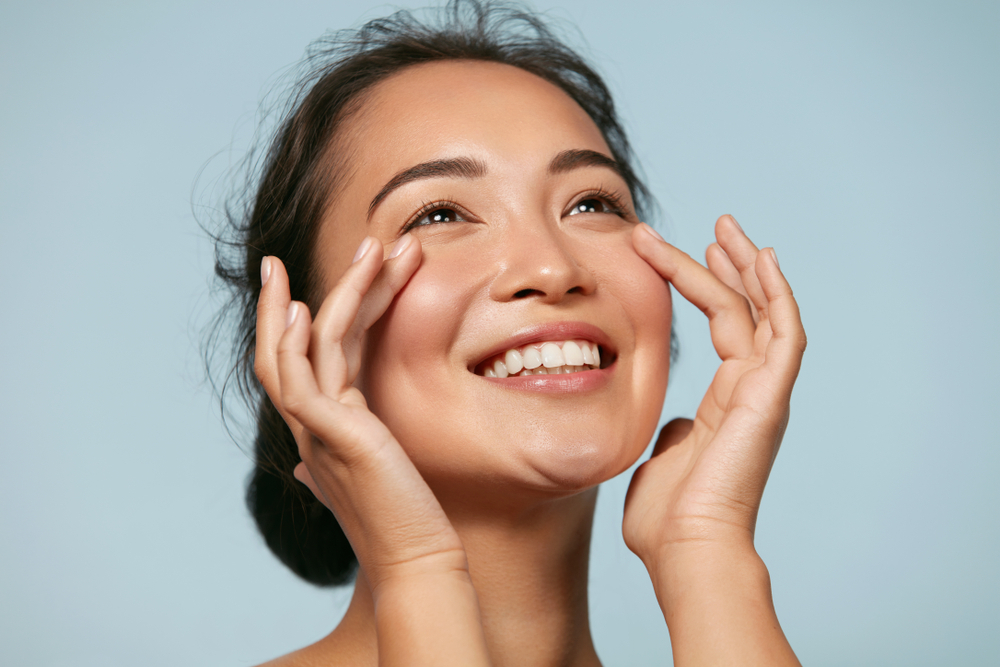
A facelift (or rhytidectomy) is a surgical procedure that tightens and lifts sagging and wrinkles on the face caused by aging. As people age, the skin on the face sags, wrinkles, and develops various spots and irregularities due to the effects of time, sun exposure, daily stress, and other factors (smoking, alcohol, poor diet). An aged face typically has prominent forehead lines, drooping eyebrows, sagging eyelids, bags and lines under the eyes, deep lines around the mouth and nose, sagging cheeks, lost jawline, and fatty deposits and skin folds in the neck. The skin has lost its vitality, sunspots and other moles have appeared, and it has become thinner and more wrinkled. A facelift can achieve a more youthful appearance in such skin types.
A facelift, medically known as rhytidectomy, is a cosmetic surgical procedure that tightens sagging facial skin and underlying tissues to reduce visible signs of aging. It helps improve facial contours, smooth deep wrinkles, and restore a more youthful appearance.
Ideal candidates for facelift surgery are individuals experiencing facial sagging, deep lines, jowls, or loss of skin elasticity due to aging. Patients should be in good overall health and have realistic expectations about the results.
A facelift primarily targets the mid-face, lower face, jawline, and neck area. It can be combined with other procedures such as neck lift, eyelid surgery, or fat transfer for more comprehensive facial rejuvenation.
Recovery after facelift surgery typically takes 2 to 4 weeks. Most patients can return to normal daily activities within two weeks, while swelling and bruising gradually subside over several weeks. Final results become more visible as healing progresses.
The results of a facelift are long-lasting but not permanent, as the natural aging process continues. However, patients can enjoy a significantly younger and refreshed appearance for many years, especially when combined with proper skincare and a healthy lifestyle.