.

- Mansuroğlu Mahallesi 288/4 Sokak 16/6 Park Ofis
- Bayraklı / İzmir
- Turkey
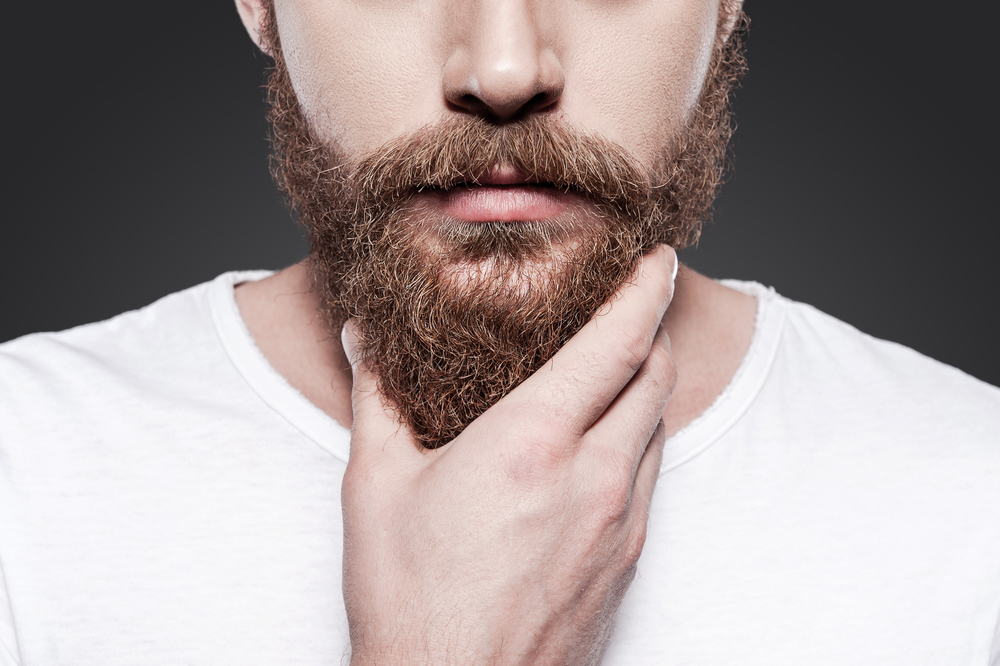
This procedure is applied to the beard/mustache area where hair has been lost due to genetics, medication, or illnesses, or where hair is completely absent from birth. Since the procedure does not damage the structure of the beard and mustache, individuals achieve a natural-looking beard and/or mustache after the procedure. Beard and mustache transplantation is performed under local anesthesia. While it is possible that not all hairs transferred from suitable areas to the hairless area will take root, this is never observed at the pre-transplant level. So, who can have a beard/mustache transplant? It can be performed on all men who are not undergoing any medication or have a serious illness. Blood-thinning medications and tobacco use should be stopped a few weeks before the procedure. After the procedure, the application area should not come into contact with water or chemicals, and the hairs should not be shaved before the healing period is complete. Since the transplanted hairs are live hair follicles, they grow like other hairs.
Beard and mustache transplant is a hair restoration procedure in which healthy hair follicles are transplanted to the beard or mustache area to improve density, shape, or fill patchy areas. It provides natural-looking and permanent facial hair results.
Ideal candidates for beard and mustache transplantation are individuals with sparse facial hair due to genetics, scarring, or hormonal factors. Candidates should have sufficient donor hair and be in good overall health.
After beard and mustache transplant, transplanted hairs may shed within the first few weeks. New facial hair growth usually begins around 3 to 4 months, with full results visible between 8 to 12 months.
When performed by experienced specialists using advanced hair transplant techniques, beard and mustache transplant is a safe procedure. It is typically done under local anesthesia with minimal risk of complications.
Downtime after beard and mustache transplantation is minimal. Most patients can return to daily activities within a few days, although mild redness or swelling in the treated area may occur temporarily.