.

- Mansuroğlu Mahallesi 288/4 Sokak 16/6 Park Ofis
- Bayraklı / İzmir
- Turkey
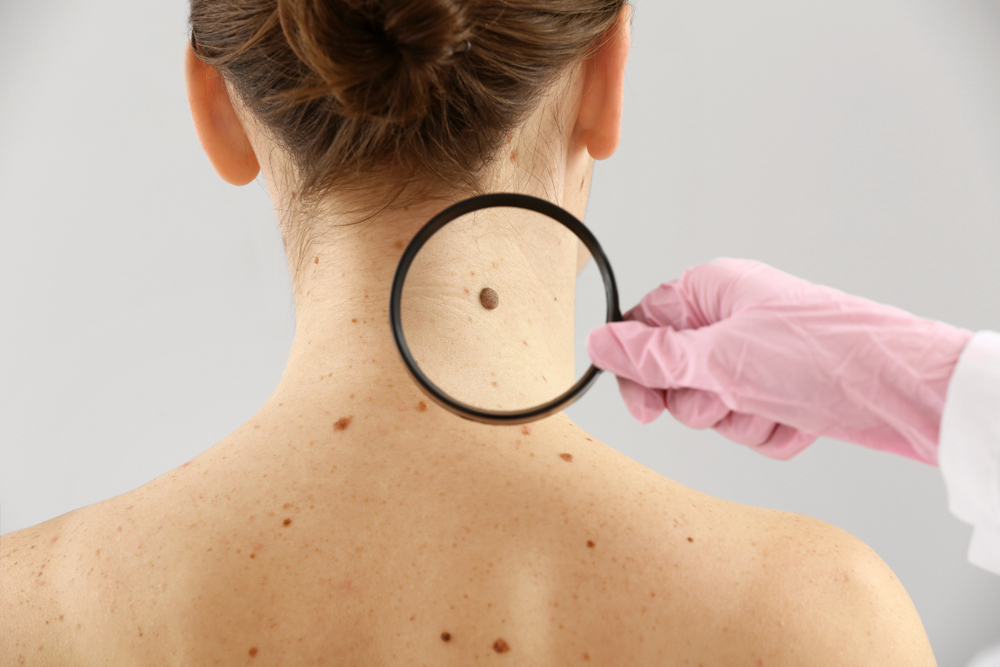
Moles, medically known as nevus, are tumors formed by the excessive accumulation of a pigment called melanin in certain cells. They can appear anywhere on the body. Their shapes and colors can vary greatly. They are often brown, oval, or round, benign tumors. Melanin, which gives the skin its color, is produced by cells called melanocytes. Moles originate from these melanocytes. A person’s genetic makeup also plays a significant role in the formation of moles. Some moles are congenital and grow with age, while others develop later. If there is a genetic predisposition, there is a possibility of new moles forming throughout life. Moles can be found in various places on the body and in various shapes and colors. They can range from skin color to pink, brown, and sometimes dark black. Some are level with the skin, some are raised above the skin, and some may have hairs on them. Moles grow over time. Puberty, pregnancy, and excessive sun exposure increase growth, and new moles may even form. Hair growth is more common in moles that develop later.
Mole removal is a medical or aesthetic procedure performed to remove benign moles (nevi) from the skin using methods such as laser, surgical excision, or radiofrequency. It improves skin appearance and, when medically indicated, helps prevent potential health risks.
Ideal candidates for mole removal treatment are individuals with benign moles that are aesthetically bothersome or medically recommended for removal. A professional evaluation is essential to rule out suspicious or malignant lesions.
When performed by a qualified medical professional after proper examination, mole removal is generally safe. The technique used depends on the size, depth, and location of the mole to ensure safe and effective removal.
Scarring after mole removal is usually minimal when appropriate techniques are used. Proper aftercare and following medical advice help reduce the risk of visible scars.
Downtime after mole removal is minimal. Most patients can return to daily activities immediately, although the treated area may require short-term care and protection during healing.